Speaker on Law and Technology
Prof. Laser is available for speaking on topics including AI and the law, patent law, the drivers of innovation in society and communities, and women and mothers in the legal profession. Her research on intellectual property law has been cited to the Supreme Court and by judges of the Federal Circuit. She is an award-winning public speaker and Toastmaster with a passion for making legal information accessible and enjoyable. Available for podcasts, news, speeches, other media.
Featured Talk
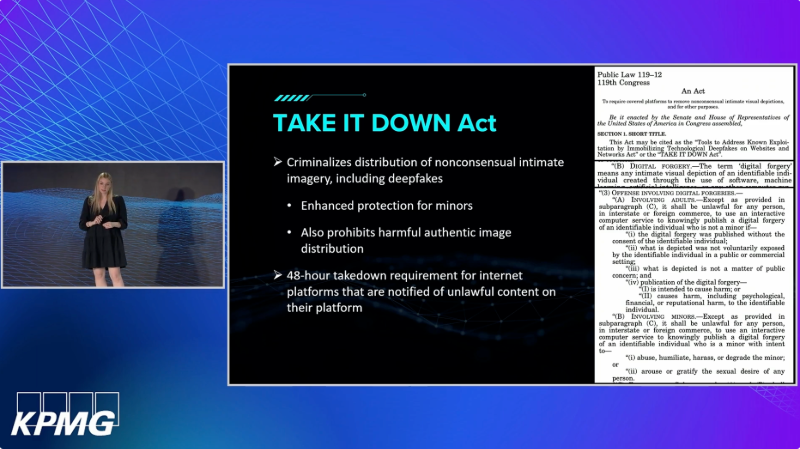
KPMG Tech and Innovation Symposium, Deer Valley, Utah
AI & IP - A Legal Perspective - Christa Laser at KPMG
Professor Christa Laser's talk at the KPMG Tech and Innovation Symposium explored the legal challenges posed by AI as it relates to intellectual property. Key topics included copyright risks from using protected content for AI training, the public domain status of AI-generated works, pitfalls in trademark and patent law, and dangers of deepfakes. Laser recommended protecting trade secrets and stressed the urgency of legal adaptation as AI reshapes creativity, ownership, and risk.
More Talks
YouTube
Grok X AI Generates CSAM -- Is it Illegal? Lawyer Commentary
Christa Laser breaks down the serious legal issues surrounding Grok's AI image generation system and its production of sexualized images of people without consent, including CSAM showing minors. We'll explore the Take It Down Act, potential criminal and civil liability against X and the requesting users, and what victims can do to protect themselves. Users can request removal and platforms are required by law to take it down within 48 hours.
YouTube
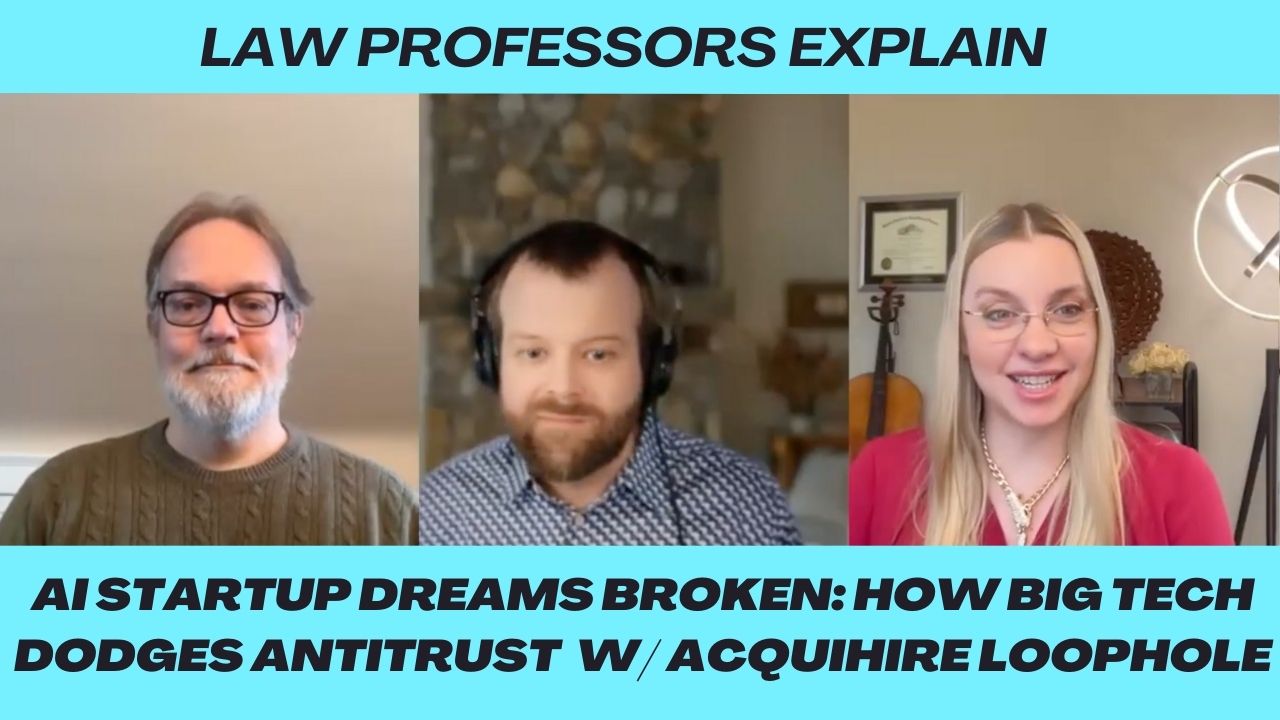
Reverse Acquihires, Antitrust Law, & Broken Startup Bargain: Google Windsurf Etc
In this podcast-style discussion, Prof. Christa Laser (IP law), Prof. Chris Sagers (antitrust expert), and Chris Tosswill (startup founder) explore the controversial trend of "reverse acquihires" in the AI industry—where tech giants like Google, Microsoft, and Amazon absorb startup talent and IP without traditional acquisitions, often leaving the the startup in shambles. We examine the antitrust implications, the impact on startup employees, and whether this represents a fundamental breakdown of Silicon Valley's social contract.
YouTube Christa Laser
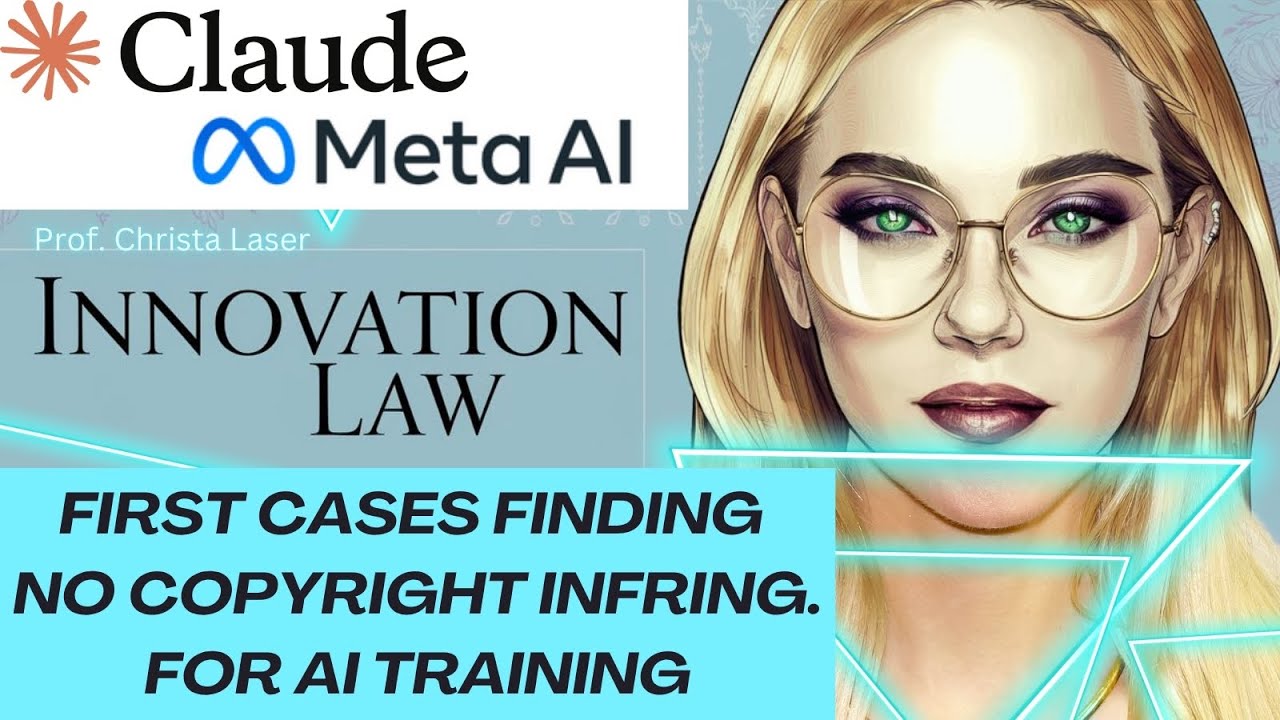
IP Lawyer Explains: Anthropic & Meta AI Training Copyright Opinions - Breaking News
Professor Laser analyzes two significant copyright cases involving AI training on copyrighted data. One case, Bartz v. Anthropic, finds that training AI on lawfully obtained copyrighted works constitutes fair use, but pirating works for training is not permitted. The court focuses on the transformative nature of using AI for creating new text. The other case, Kadrey v. Meta, differs by highlighting the potential market harm caused by AI-generated works flooding the market and outcompeting original works, although it ultimately finds that plaintiffs failed to present evidence of market harm to them. These cases are among the first to address these topics and illustrate the varied possible approaches to AI and copyright law.
YouTube Christa Laser
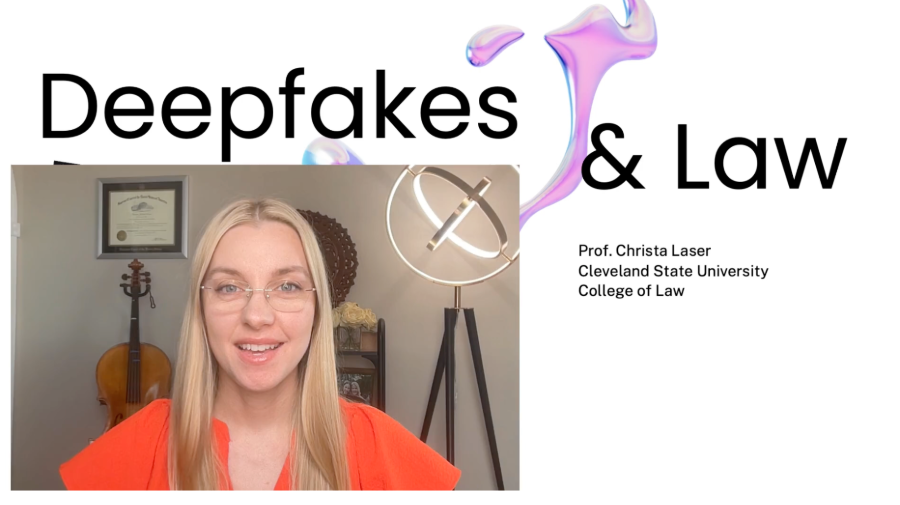
Deepfakes, Right of Publicity, No Fakes Act, and Take It Down Act
Should we have a federal right of publicity? This tutorial on the law of deepfakes and right of publicity from law professor Christa Laser explains everything you could want to know. News items such as the NO FAKES Act and the Take It Down Act are explored, as well as an introduction to the law that currently applies to synthetic media.

YouTube Christa Laser
OpenAI Sora Copyright Opt-Outs: Law Prof Says Opt-In Is Better
Prof. Laser, a law professor, gives an overview of the intellectual property law issues with OpenAI's Sora video generation model and its plans for an opt-out vs opt-in generation of copyrighted characters.

SVIC Podcast
$1.5B Later... Anthropic Authors and the Future of AI Data | Christa Laser
Christa talks with Jordan of SVIC Podcast about Anthropic's settlement of author's copyright claims for a $1.5 billion settlement fund. Christa breaks down how the fund will be distributed. This is a good deal for authors, she urges.

YouTube Learn Innovation Law
PayPal Honey Scam? Lawyer Reacts Class Action Claims
Honey allegedly replaced its own affiliate codes for those of influencers, costing them creator revenues. Is there a potential class action lawsuit?

Silicon Valley Investor Club Podcast
Elon Musk Sues OpenAI. Does Elon Have a Case? How Will AGI Be Defined In Court? Lawyer Reacts
Elon Musk is suing OpenAI and its CEO, Sam Altman, alleging a breach of contract and fiduciary duty. Christa Laser reacts.

Christa Laser on YouTube
Is AI Art Eligible for Copyright? Summary of Thaler v. Perlmutter by Law Profesor
I summarize the recent decision finding AI created artwork not eligible for copyright protection. The real answer is more complex than the news is conveying. This summary might be useful for those learning about legislation as well as copyright and intellectual property law or AI artists.

George Washington University School of Law
Rethinking Patent Law's Exclusive Appellate Jurisdiction
Prof. Laser presents her paper, Rethinking Patent Law's Exclusive Appellate Jurisdiction, at George Washington University Law School.

The SEP Couch
SEP litigation and legal trends in the US patent system
Professor Laser represented clients such as Samsung and Lenovo in their defense strategy around standard essential patents (SEPs). "One challenge with SEP litigation is that infringement is happening globally, while patent litigation is always local." She discusses standard essential patent strategy.